
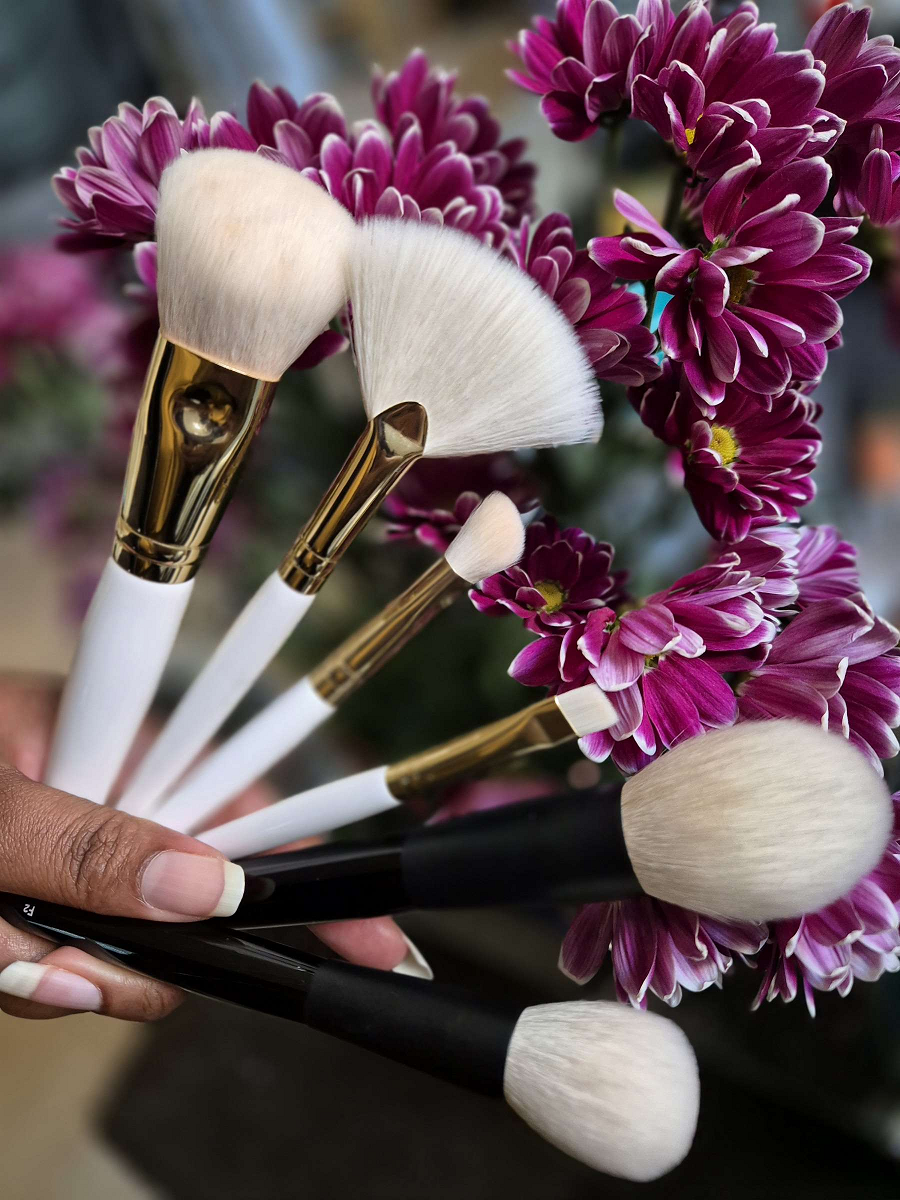
I’m not sure what else to call what’s going on with the Wayne Goss beauty line except a “relaunch,” since none of his previous brushes are available for purchase. On his YouTube page, he has discussed past financial and business mishaps with his brand, whereas now he has his own website and continues to partner with the retailer Beautylish. He promised that many brushes his customers loved in the past will eventually return, but this year he started off with launching the First Edition Collection. Those are the Saikoho goat hair artisan brushes. Next, he launched the White Gold Collection which are not Japanese handmade brushes, but he assured fans that the chosen manufacturer makes top of the line synthetic brushes.
Today, I will be sharing my thoughts about both collections.
DISCLOSURE: All brushes discussed today were purchased by me with my own money. This review contains only one affiliate link. Non-highlighted links in bold blue font (Example) are standard non-affiliate links. The link marked in bold black font with a light blue background (Example) is the affiliate link. Affiliate links allow me to get a commission if purchases are made directly using my link. Whether you click to shop through them or not, I appreciate you visiting and I hope you find the information I’ve provided to be helpful!
The White Gold Collection
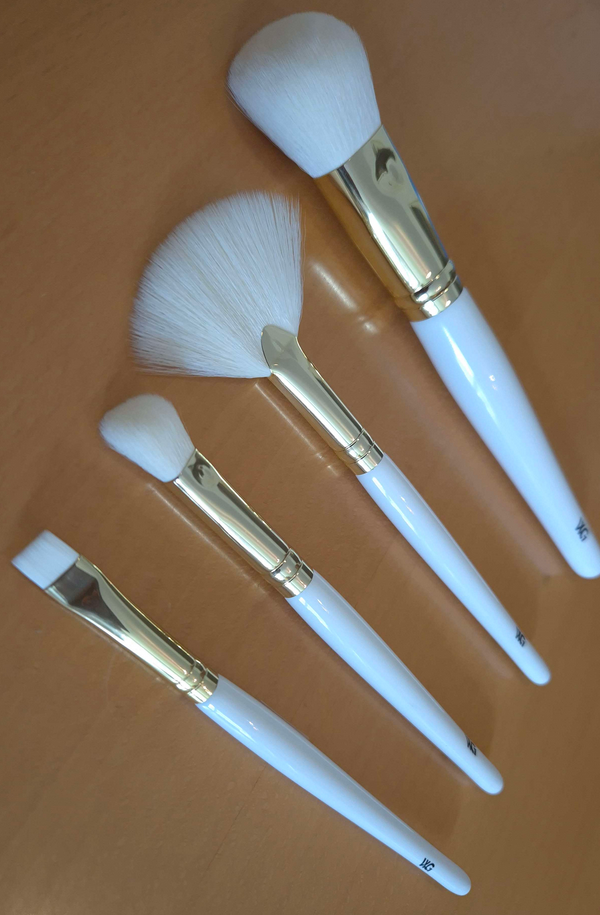
I’m going to start off by saying that I believe the purpose of this line is to provide pretty looking brushes at a relatively affordable price. His sets contain useful shapes and is great for someone with a small brush collection with a lot of needs to fill.
I think this line will be less impressive to the experienced fude lovers because I don’t see how these are more special than other synthetics I own. Granted, a lot of the synthetics I use are more expensive than his, like Smashbox, Patrick Ta, Scott Barnes, etc. So, I respect what he’s done in giving more functional shapes at prices that are competitive with mid-range synthetic brush brands, and certainly less expensive than brushes from luxury brands usually cost.
I acknowledge that I am not the target customer for this line because I prefer natural hair brushes and I already have pretty much all the synthetic brushes I need. For new synthetics to remain in my collection, they must be practically tailored to my face shape and to my preferences for how I like to apply my makeup.
Japanese-made synthetic brushes tend to cost nearly the same amount as their goat hair brushes. Considering Wayne and I seem to share the same sentiment that synthetic artisan brushes just aren’t worth the price, despite how far the technology has come to mimic natural hair, I was curious to see what he considered a worthy alternative. So, I had to try some out for myself!
#2 Angled Cheek Brush – Intended for Bronzer/Contour, Blush, and Highlighter
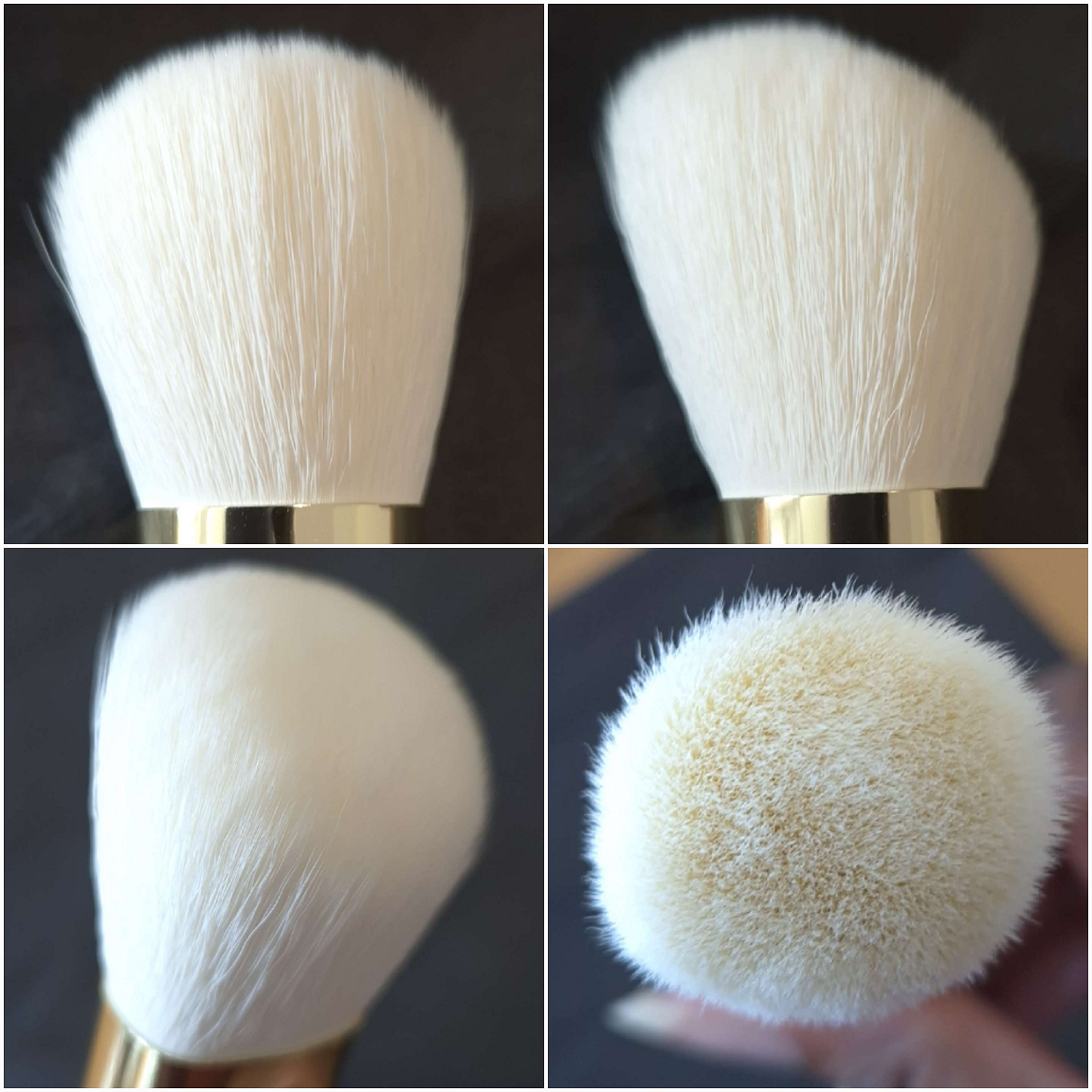
With bronzer, this worked beautifully. This brush has medium density and splays a bit when pressed into the skin, which helps to diffuse the product. When using a brush in this shape (such as the Sonia Kashuk Starstruck Angled brush), I usually put cream bronzer on the thickest part, towards the back where the brush starts angling upward, but this isn’t packed firm enough there to stamp into the hollows of my cheeks. So, I prefer to dip the brush into bronzer along the angled edge and pounce it around the perimeter of my face while it diffuses from the splay and gives me a light-medium even application. I apply bronzer with this brush in this way no matter if it’s a powder or cream formula. This brush is suited for someone who wants to cover a big area quickly, but maintain control of how much product is built up at a time. The angle also allows some amount of precision application. It’s not a small concentrated application, but also not a large airy one either.
With blush, it didn’t feel intuitive to swirl or sweep. Tapping/Pouncing it along the cheeks works great. The end result looks well blended, smooth, and diffused. It also feels very pleasant on the skin because of how soft and bouncy the fibers are.
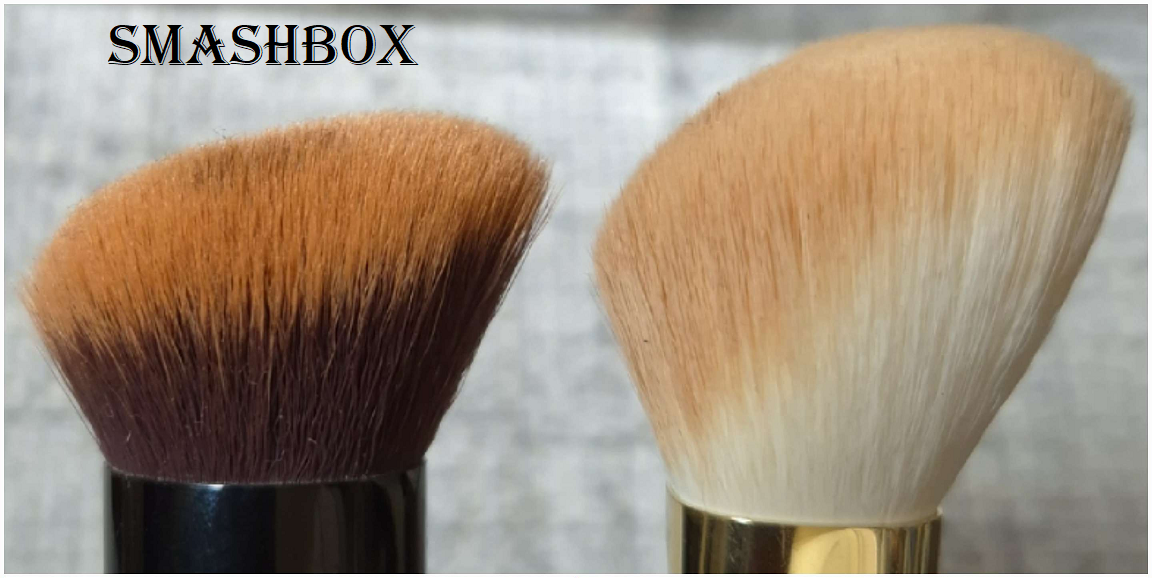
For Foundation, this does the job well enough. Since these bristles don’t have the slick slippery feeling to them (the slipperiness being something I don’t like from a lot of synthetic brushes), this has a little more grip on the skin and therefore doesn’t glide across my skin with ease. Instead, it works better when I use short quick sweeping strokes across my face. The large surface area at least let me finish covering my face quickly, but I can see why it wasn’t advertised for this purpose. When I use foundation brushes in this shape, I expect it to be ultra dense like the Smashbox Full Coverage Brush or the Sonia Kashuk one I mentioned. The longer hairs and the way it splays lends itself more to suiting someone who likes buildable face products and is uninterested in full coverage makeup.
Yes, this works for highlighter as listed within the product description on the website, but it feels strange to hold it in the necessary position for me to apply it precisely. I’d rather use a dedicated highlighter brush, although that extra function makes this a great travel brush since it’s so multipurpose.
#6 Fan Brush – Intended for Highlighter and Blush
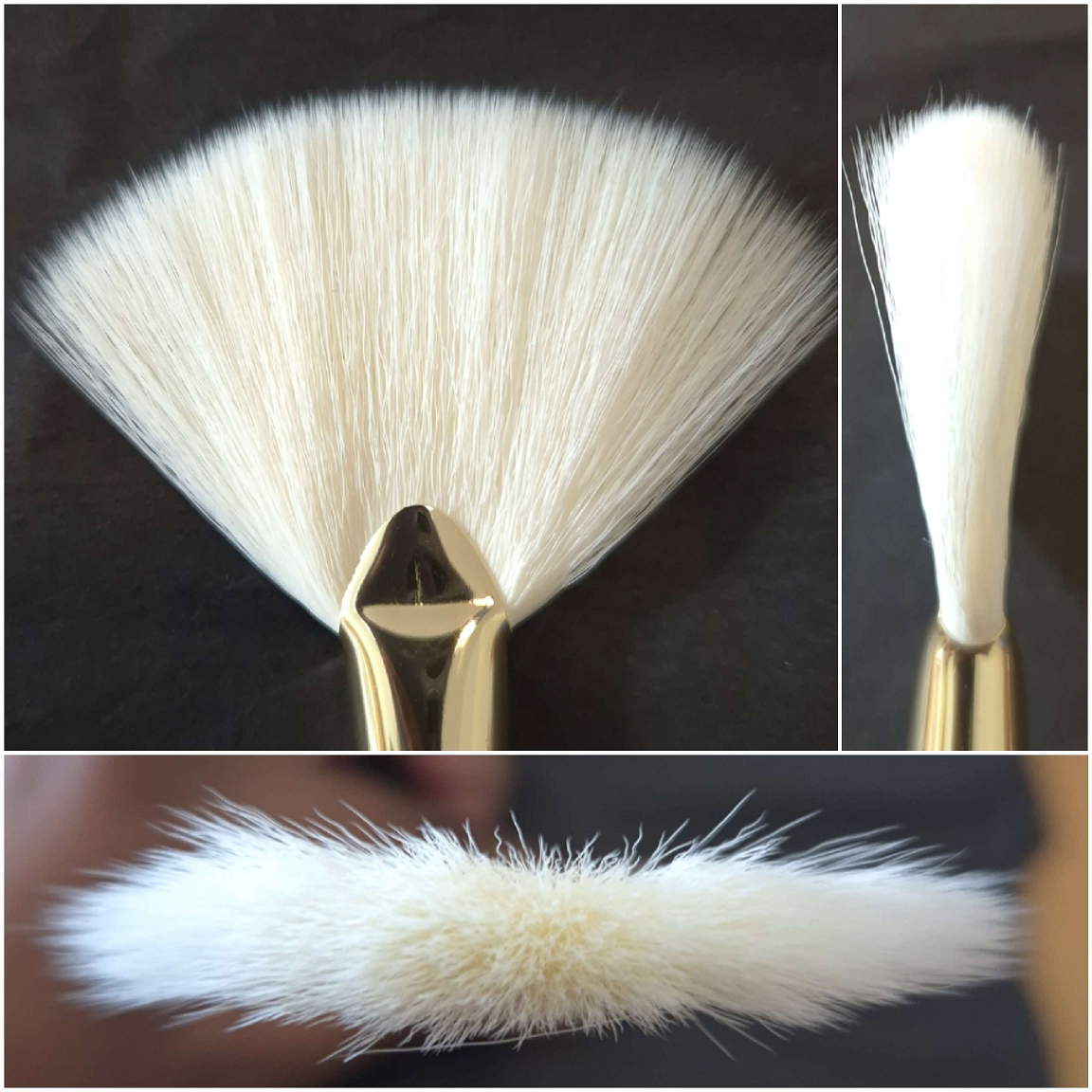
The original natural hair WG 15 Fan Brush set the bar for all other fan brushes. When I use that one, it picks up my Charlotte Tilbury Pillow Talk Multi-Glow highlighter with ease, but with the new #6, it can’t pick up that much even when I rub it vigorously into the pan. I actually preferred using Brush #2 for highlighter over this one! Most of my favorite highlighters are in a baked gelee formula that are picked up easier with my goat hair brushes. The amount of highlighter I manage to get on the bristles of #6 blends well, but this brush is easier to use with looser pressed highlighters. This one is helpful to apply a semi sheer layer of an intense highlighter, like the Fenty Demi’Glow.
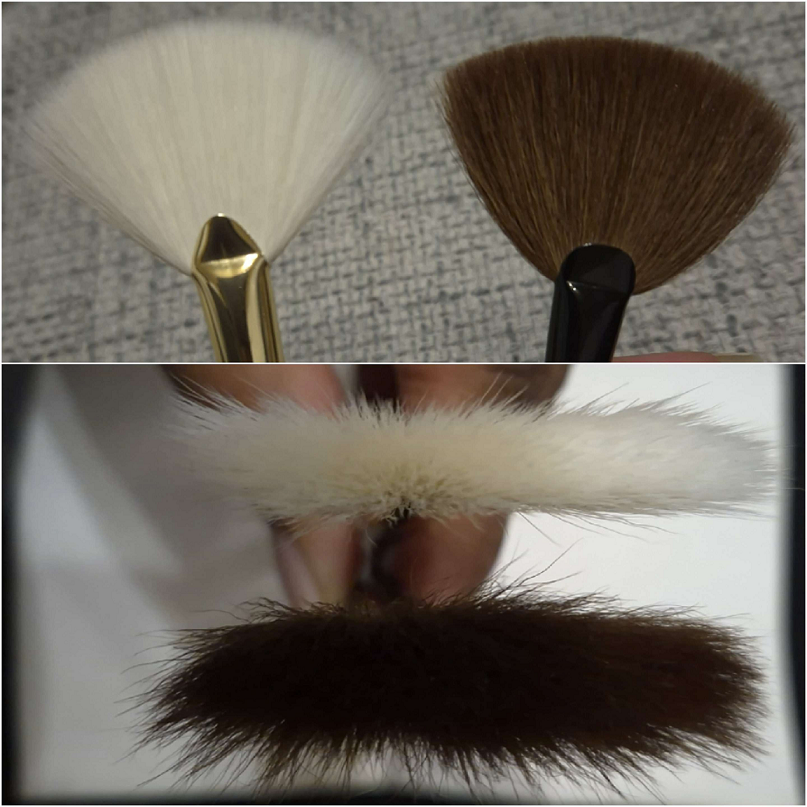
When I try to tap the brush and rub it into the product, the strands bend too much and don’t dig into the product enough. Maybe I need to adjust the pressure I use and work it at a different angle to get it to pick up more, but I wanted this to perform like the original natural hair fan brush, so changing my application method from how I use that one isn’t intuitive. This synthetic brush is similar in size and shape, but wispier than the original.
Also, when I got this brush, one strand came out and two strands were longer than the others. I resorted to plucking them out rather than cutting them. So, I wasn’t too pleased about that. Regarding using this brush for sheer blush applications, I started to test out that technique and then stopped. It was far too tedious and felt unnecessary for me because not getting enough pigment from a blush is way more prone to happen to me than needing to sheer one out. So, this brush can be used for adding a whisper of blush, but I’m more likely to just grab a normal-sized cheek brush to get similar results much quicker.
Honestly, I could have skipped getting this brush.
#7 Hooded Eye Brush – Intended for Blending and Packing on Eyeshadow, plus Concealer Use
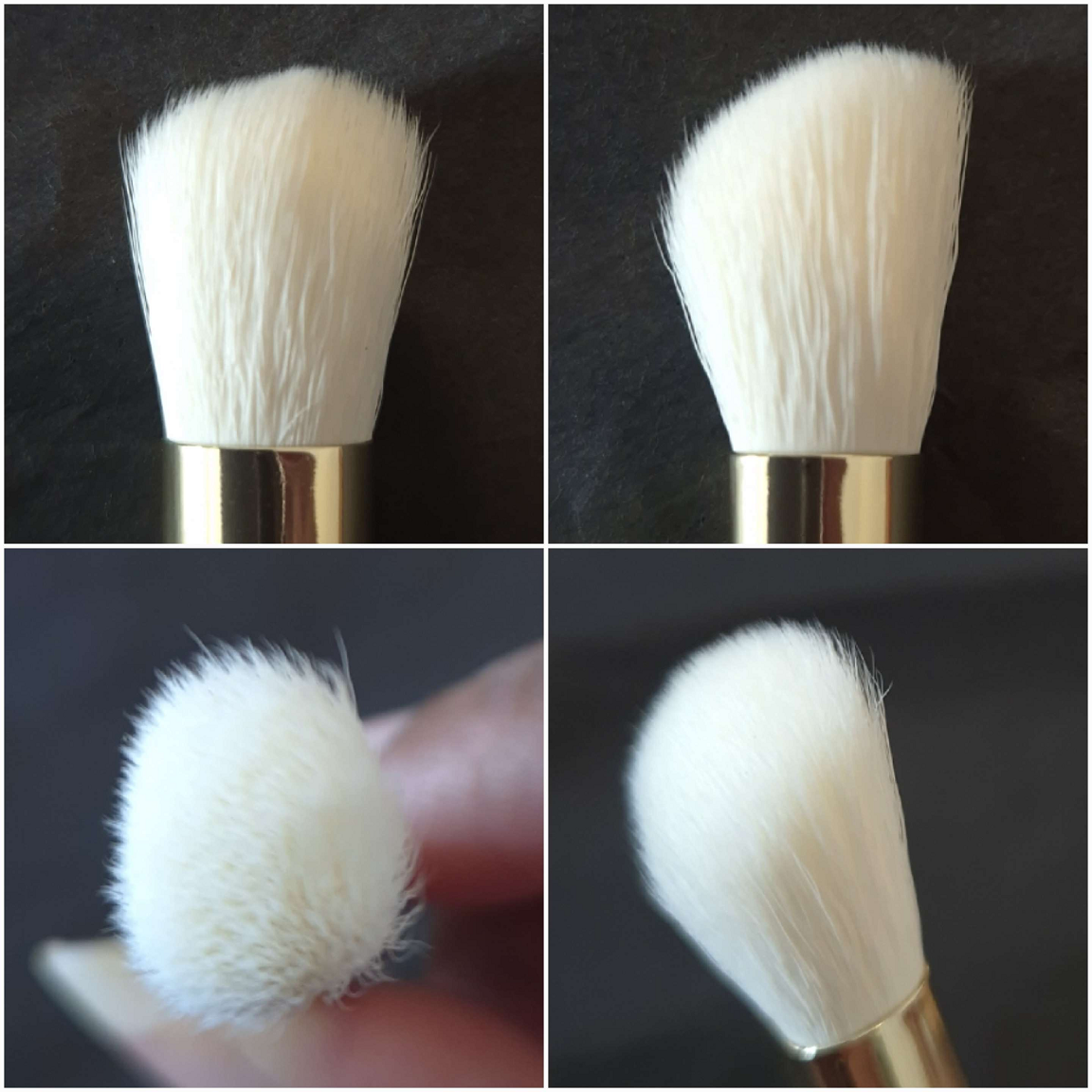
I tried this first with concealer. It blended it in very nicely, but it’s for someone who likes a thin layer, as opposed to me who is used to the Sonia G Jumbo Concealer Brush who wants to pack on product and get maximum coverage.
This brush gets into corners nicely since the bristles are long, flexible, and splay a bit without going into the category of being floppy. This allowed it to work great for nose contouring because it diffuses while being worked into the skin.
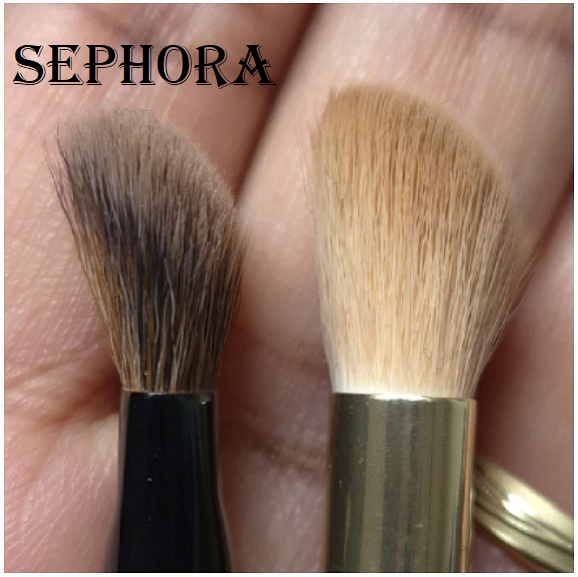
I also tried this with eyeshadows. Again, this brush is more for diffusing. It picks up a lot of product, but it doesn’t pack it on intensely enough for my preference. In the comparison pic, it’s next to the Sephora 71 brush purely to show a size comparison. It’s a big brush to use on the eyes, which is ironic since it’s being marketed to those with hooded eyes. Hooded eye brushes tend to be smaller, but I think it’s in this category because of how well it gets into crevices and is gentle on the skin.
For eye primer application, it doesn’t feel firm enough to blend such a thick product and flops around. Diffusing can be good, as to not use too much product on the eyelids, but I feel it takes too much away.
#15 Push Liner Brush – Intended for Liner and Brow Use
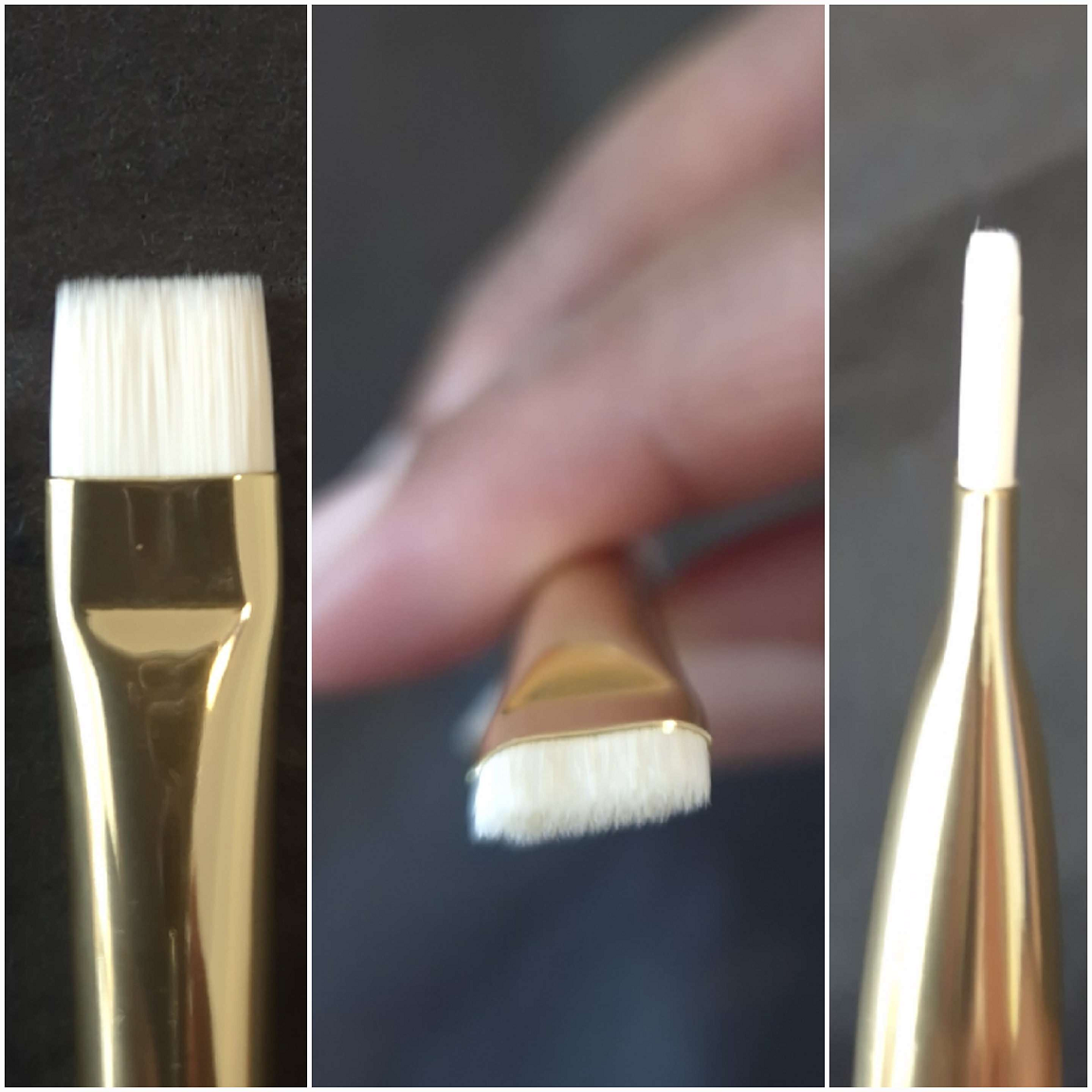
For starters, this brush feels gentle when pressed along the lash line, but it’s very firm and tightly bundled, which can be felt when I run my finger across the bristles. It doesn’t bend as much either.
It’s a bit wider than I’m used to, so it can be little tricky to use in my inner corners as I line my eyes with powder eyeshadow, but I can manage. I also use this to highlight under my brow arch. For cleaning up the edges of eyeshadow with concealer, this brush applies it sharply. However, it’s hard to then blend it and spread it with that same brush. I prefer using a brush that I can complete both tasks with such as the Wayne Goss 08 from his original line prior to this year.
I have not tried to use this with brow products since I currently have no brow pot products. I also don’t have pot eyeliners with me. I have tried to line my eyes with a cream-to-powder eyeshadow though and it worked. I could create a nice sharp line. So, I expect it should have no issues with gels, actual creams, or liquids.
The Push Liner brush can be used as a lip brush as well, but I’m not interested in using it this way. This brush has practical use, but doesn’t seem different from any other synthetic liner brush, excluding the fact that it’s one of the widest in my collection. Perhaps someone else would like that attribute.
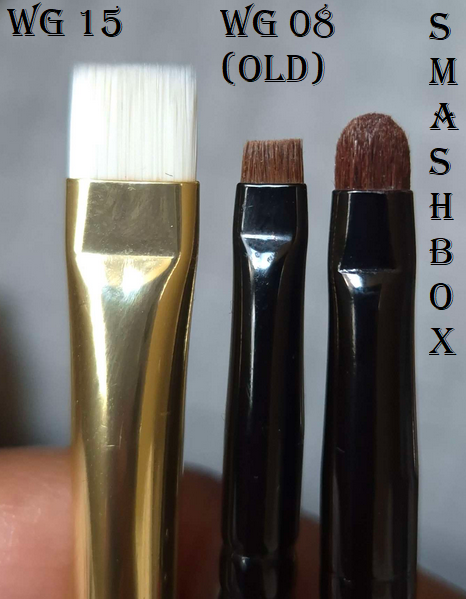
When it comes to washing these, I only had trouble with 7 and 15 that came in contact with my KVD Good Apple Concealer. I had to wash it 3 times to get the brown out. So, if you like keeping your white brushes spotless, be mindful of what products you use with them and the intensity of the pigments. I don’t have my usual cleaning arsenal at my disposal, just the Beautyblender Pro Soap. Also, these brushes don’t bloom after being washed, which is to be expected of synthetic fibers. The size they are upon being removed from packaging is the size they should stay. I just wanted to add this note because I’m so used to using natural hair brushes that I almost forgot this fact myself.
I purchased the UNITS 305 Highlighter Brush because I wanted to see how it compared to Wayne’s line. Visually, the bristles are a slightly darker whitish color. The ferrules are rose gold compared to the yellow gold color of Wayne’s brushes. I chose the 305 brush specifically because I figured it was more fair to compare something whispy to the fan brush, and the other Units brushes on the Beautylish website looked too different in shape from the WG brushes. The Units brush has strands that are slightly silkier. It’s like Units ones feel softer but slightly more synthetic whereas Wayne’s feel like they’re intentionally less silky to be able to mimic the sturdiness of goat. I’m curious to see what other UNITS brushes are like, but I have no need for more synthetic brushes.
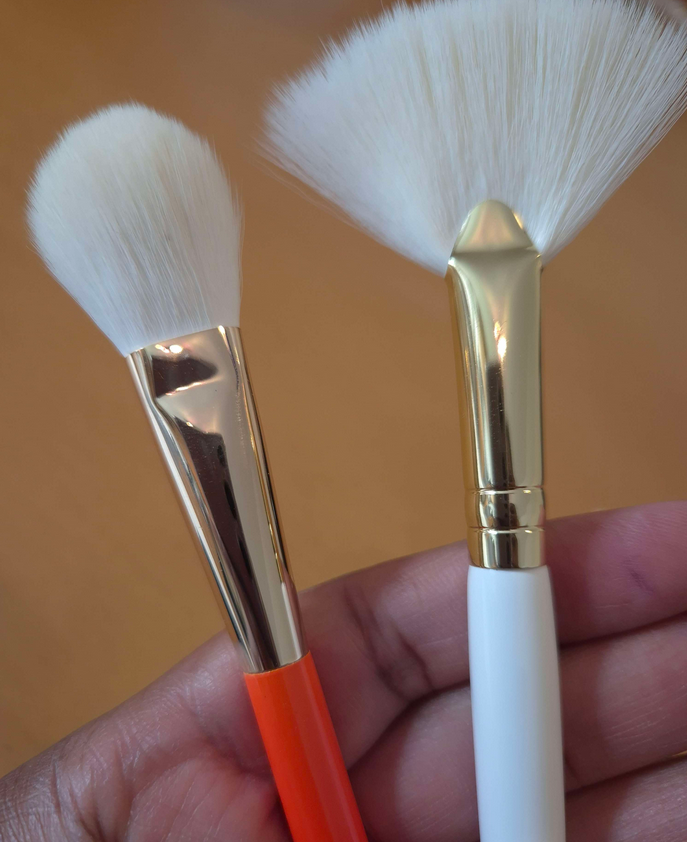
In addition, the extra crimping between the ferrule base and the handle, plus the thickness of WG’s handles and rounded shape make them feel a little more luxurious and substantial. Holding the UNITS brush feels like holding a pencil.
Another side note is that this brush reminds me of the Wayne Goss Air Brush, just slightly smaller in width and thickness besides also being synthetic.
For someone looking for a special experience, that’s what Wayne’s natural hair line is for. I think these are nice quality synthetic brushes, and I don’t think there’s any harm in recommending someone try out a few. However, I can’t pretend that they’re super unique or vastly different from others I’ve tried. Perhaps if they were more suited to my preferences, I would be a lot more excited about them, and I can see how other people would be thrilled with these.
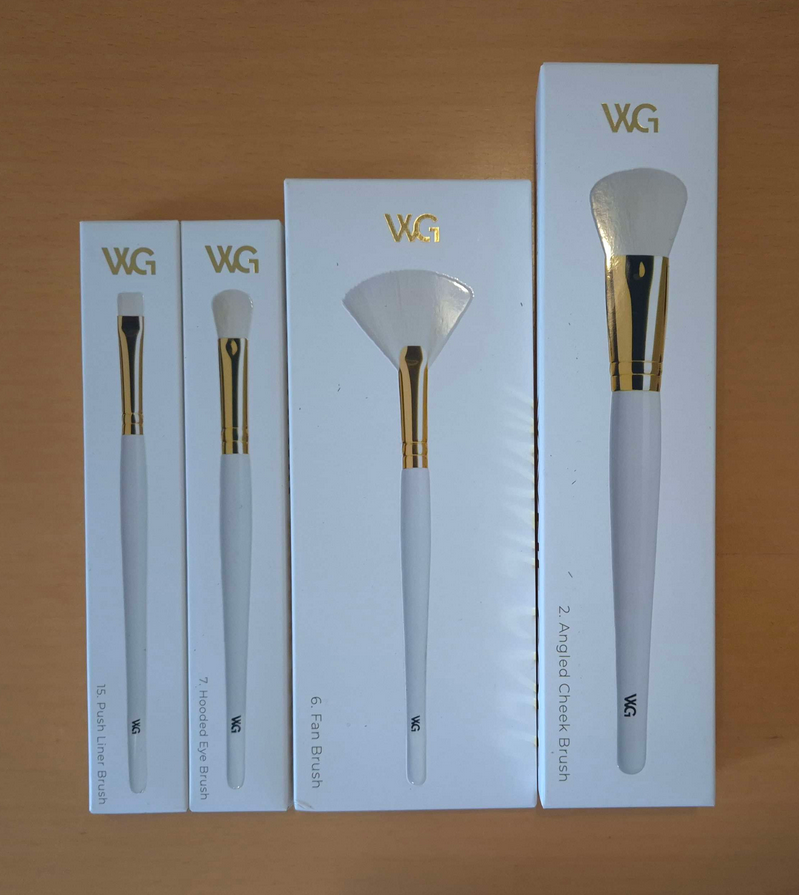
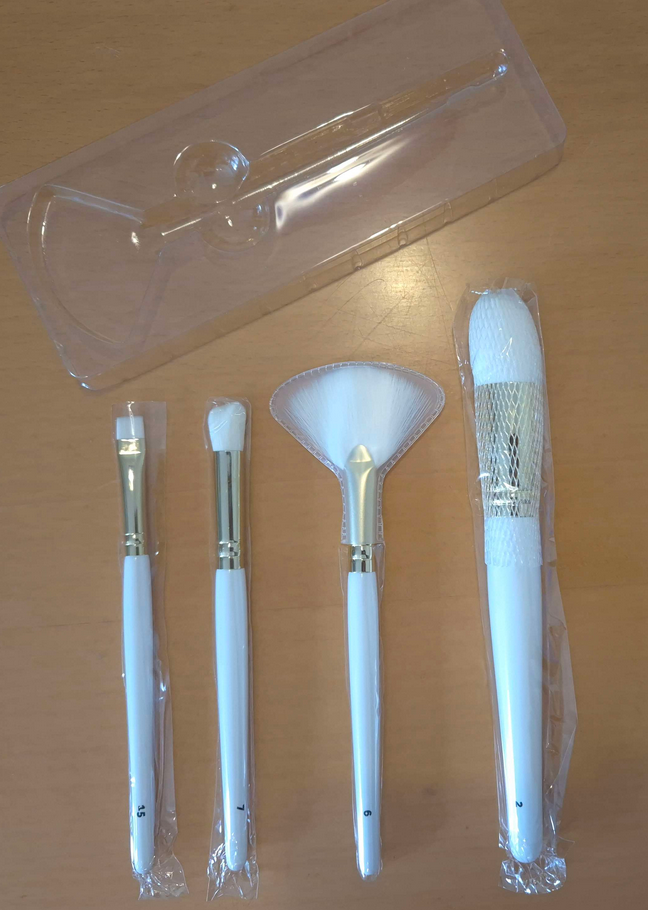
Lastly, I find it interesting that these brushes are less expensive than the First Edition line, but they come much more securely packaged. Each brush comes in their own box with a thin plastic holder that is fitted to hold that specific brush. It has an additional plastic sleeve over the bristles, although the fan brush came in a thicker plastic fan shaped guard, and the large angled face brush was in one of those mesh looking plastic brush guards. It further drives home my assumption that Wayne wanted to provide a luxury experience even though the brushes cost less than his other line.
The First Edition
I’m just going to acknowledge the long-standing rumor that Hakuhodo used to make Wayne’s original brush line. I personally have a hunch that even if they were before, I don’t believe they are anymore. That being said, this line of brushes has hair that is even softer than the original ones. I think Hakuhodo fans will still like Wayne Goss brush quality and shapes. Considering how high Hakuhodo has marked up their own goat hair brushes, while still mixing the majority of them with synthetic fibers, I believe Wayne Goss’ brushes have become the better option. Well, at least with some of them!
F2 Cheek Brush
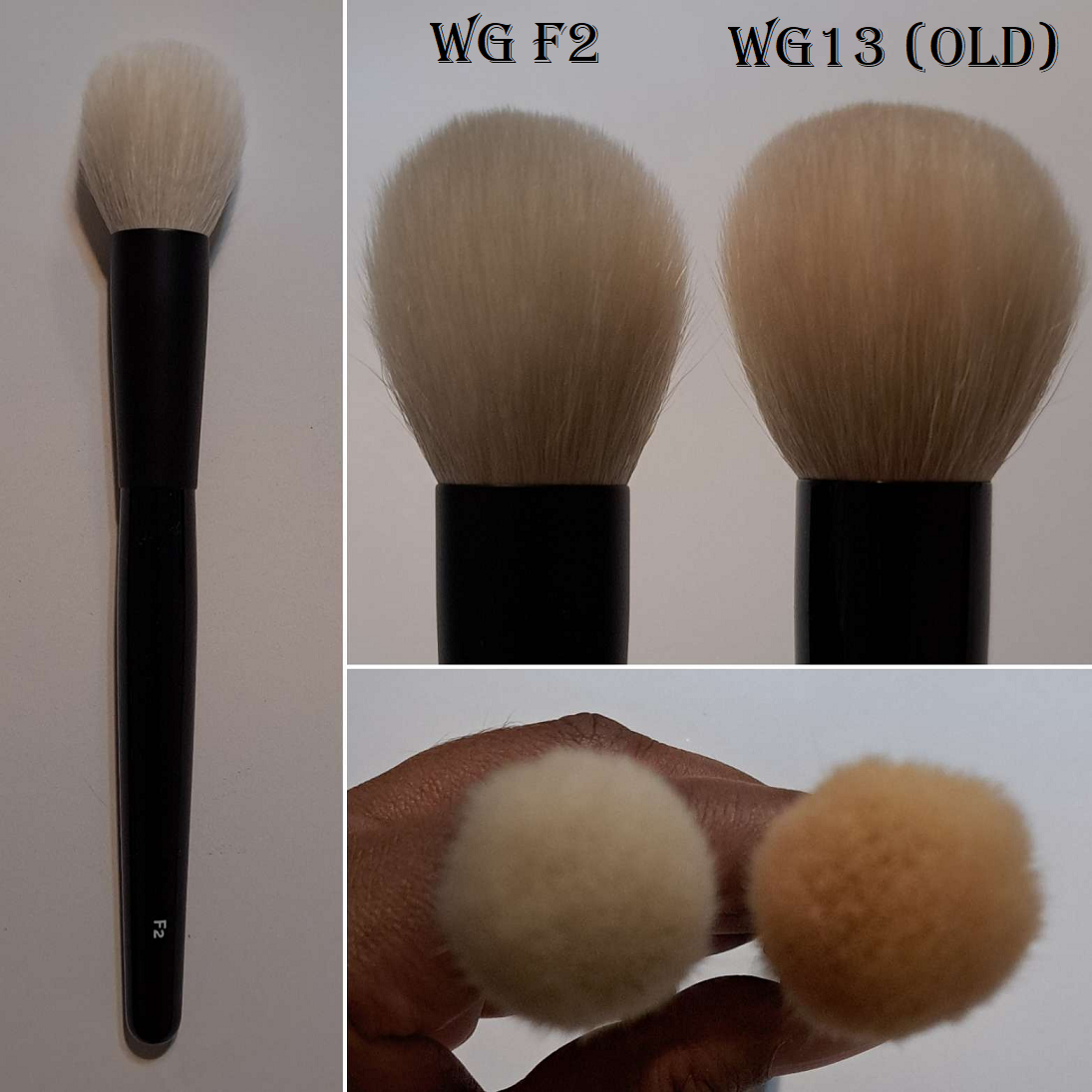
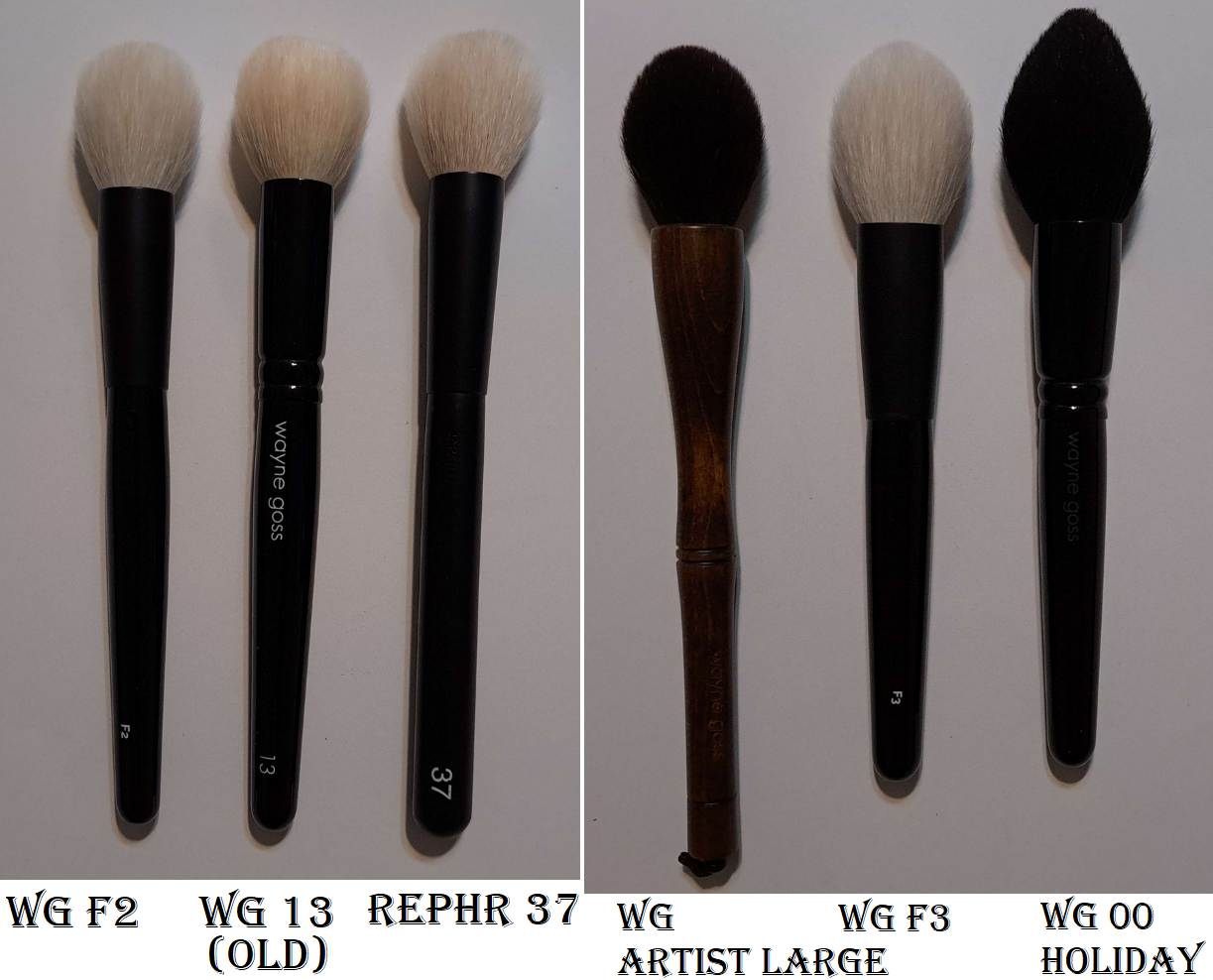
This shape is my favorite type for blush. The F2 feels amazing and is even softer than my number 13 from the original line. The downside is it still sheds just as much! It actually didn’t shed in the first five uses, but after that it kept happening even after being washed several times by now. I lose about 2-4 hairs with each use, which got to the point when after several months I just stopped using it altogether. The shedding issue seems to be a trait of this particular shape and how it’s bundled. It happens with the F2, happened to the extremely similar Wayne Goss (original) 13, and even what I call the dupe from Rephr (number 37). My recommendations for ones that don’t shed on me at an abnormal rate are the Hakuhodo J210 and Chikuhodo T-4.
F3 Powder Brush
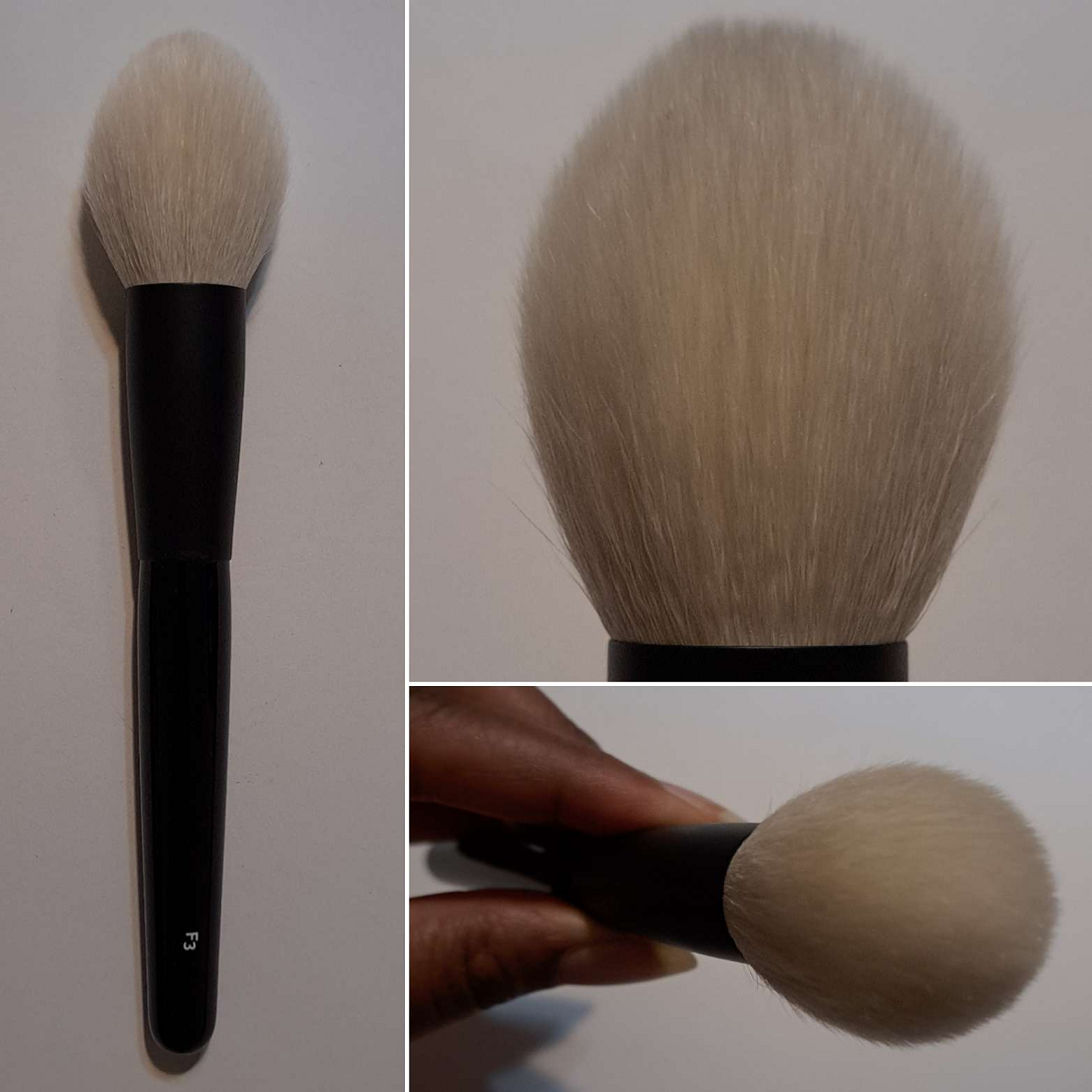
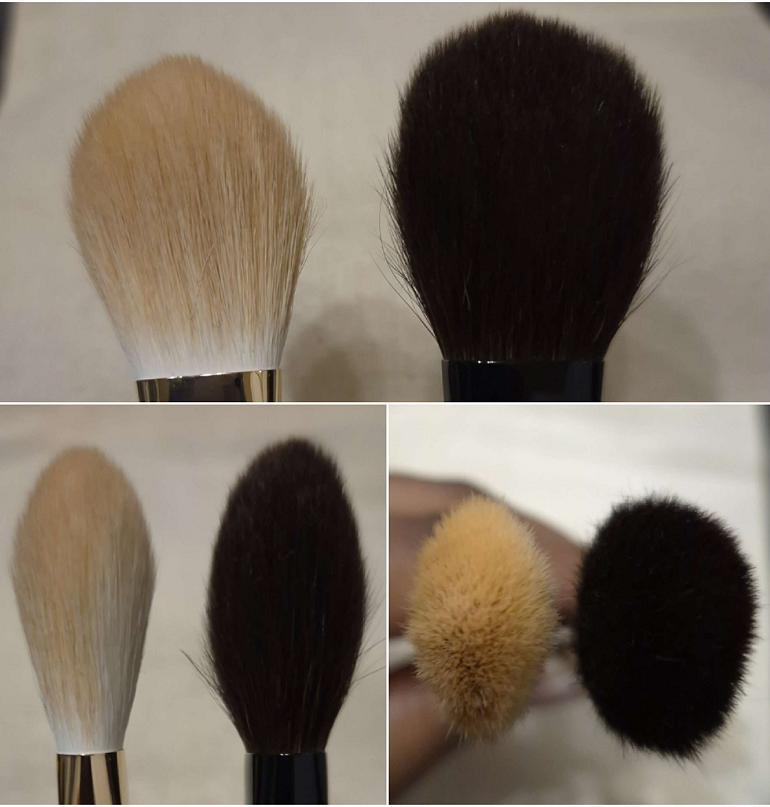
This is a fairly big brush, but fantastic. It blends everything well. It’s super soft and, just like the F2, it feels softer than my other WG goat brushes. It produces a normal amount of shedding, meaning I’ve probably lost up to 5 hairs in the initial few uses and washes, but now it’s only every so often that I’ll lose one. It doesn’t have an exact dupe (from what I can tell) from the original line, but it’s almost a mix between his Artist Large and original 00 Holiday brush since it tapers towards the top, but is a bit more rounded rather than pointy towards the tip.
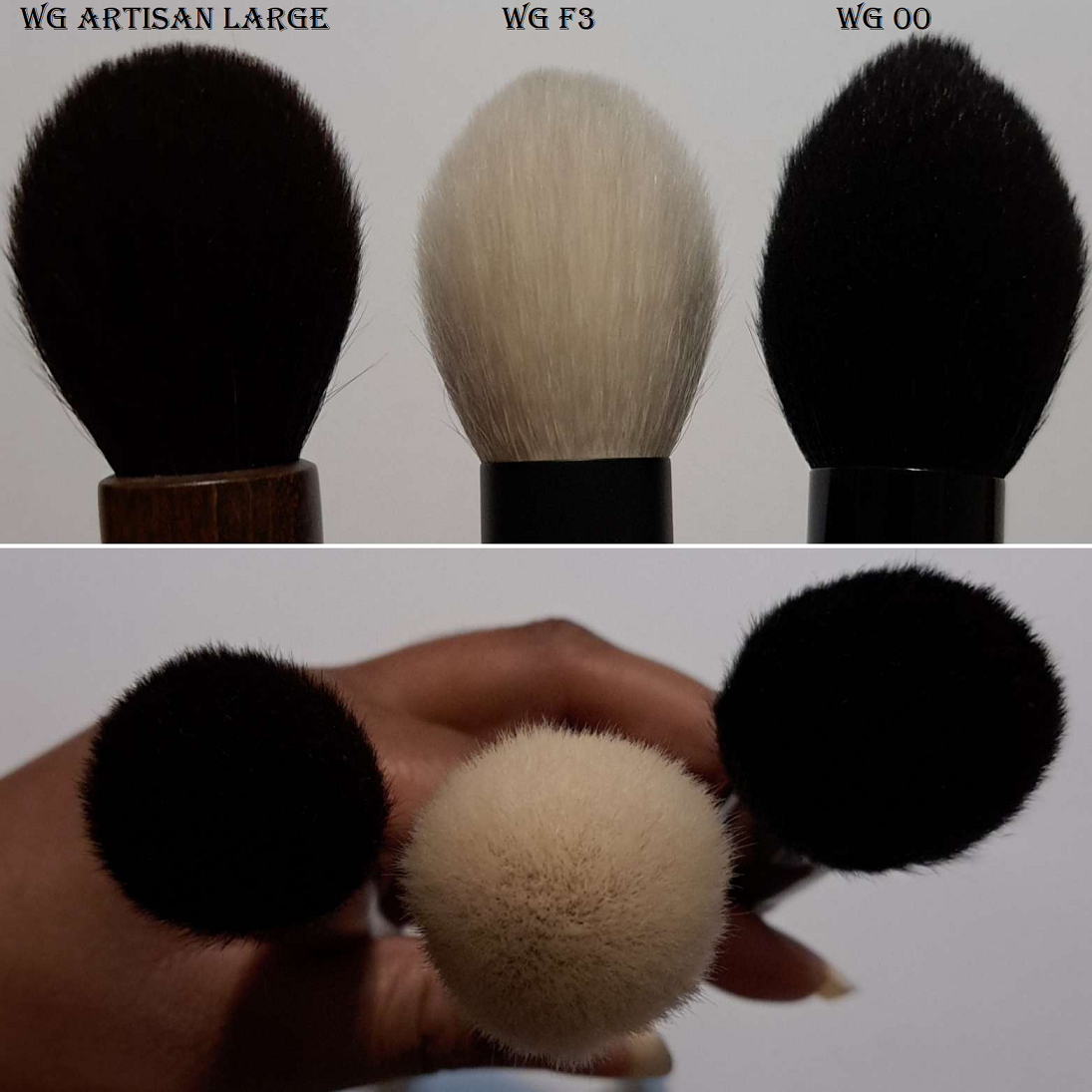
I’ve continued to have this brush in my rotation since November 2023 and use it mainly for bronzing and contouring. The way that if fluffs around the widest part picks up the perfect amount of product for laying down the color, but not depositing it all at once. It builds as it continues to be worked back and forth. The brush gives an airy effect without being too widely dispersed on the skin.
This works nicely as well for targeted face powder application and with blush. However, I still really love it particularly for contouring. The F3 is what gives me hope that the rest of the Fundamental face brushes are great and in line with WG original brushes and quality. I know my own preferences. The only reason I haven’t purchased more is because I have less use for the other face brush shapes, and the eye brush ones aren’t my style either. Wayne mentioned some of his original brushes may return in a different form, and I am hoping that means the Air Brush will be back! I would also be tempted to get another natural hair fan brush, not the synthetic one. More reviews for past Wayne Goss brushes can be found on this list with links HERE.
That’s everything! Thank you for checking out this review!
-Lili ❤
 Lili's Beauty Blog